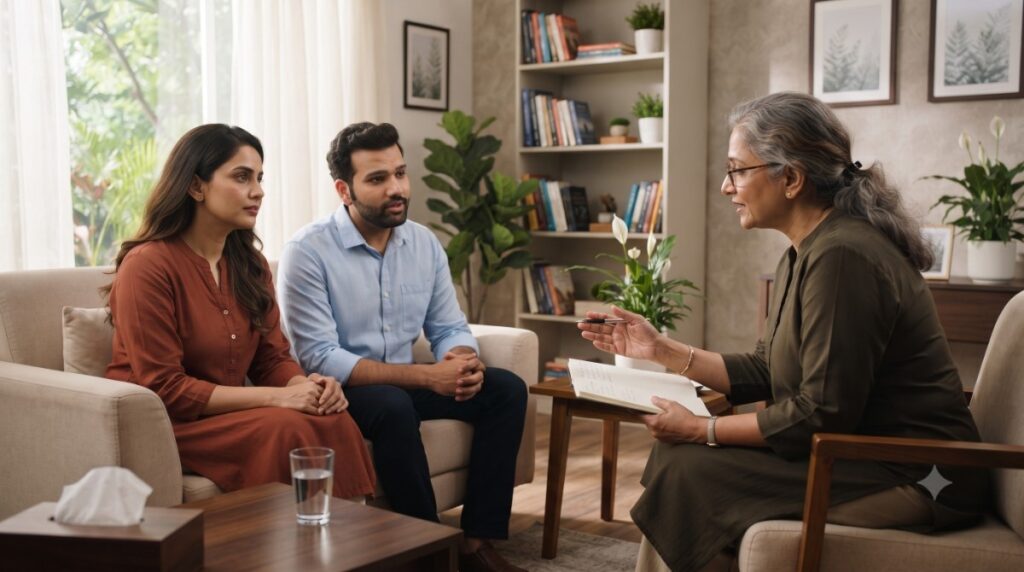
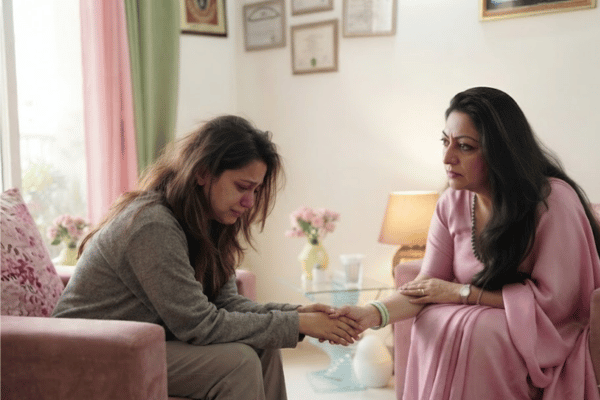
One thing about me that hasn’t changed since childhood is that I’ve always observed people. Back then, I didn’t know there was a word for it. I would simply sit quietly and watch conversations, friendships, arguments, expressions, and the little ways people connected with each other. Today, being a counselling psychologist has made that observation much more conscious, and honestly, I enjoy it even more. Over the years, especially in my therapy room, I’ve realised that although every client has a different story, the emotions they bring are often surprisingly similar.
A few years ago, people would come saying, “We’re having problems in our marriage.” Today, I hear something very different: “I don’t even know if we’re actually in a relationship.” That one sentence says so much about the world we’re living in. There are so many new ways of defining relationships now—situationships, talking stages, open relationships, casual dating, friends with benefits. I still remember the first time some of these terms came up during therapy sessions. I quietly went home and Googled them because they simply weren’t part of the language when I began practising. Every generation creates its own way of connecting, and I’m not here to say one way is right and another is wrong. Society changes, people change, and relationships naturally evolve too. But one question keeps coming back to me: are these newer ways of being together making us feel more connected, or are they leaving many of us more confused?
Interestingly, people rarely come to therapy because they’re in a situationship or an open relationship. They usually come because they’re anxious. They can’t sleep. They keep checking whether the other person has replied. They don’t know where they stand. They’re scared to ask simple questions because they’re afraid honesty might push the other person away. To me, that’s often where the real struggle begins—not with the relationship itself, but with the uncertainty it creates. I’ve noticed how easily people begin negotiating with themselves. They say, “Maybe I’m expecting too much,” or “Maybe I should just go with the flow,” or “Maybe asking for commitment will scare them away.” Slowly, almost without noticing, they stop listening to what they actually need.
One question I often ask clients is very simple: “When you’re with this person, do you feel peaceful?” Not excited. Not obsessed. Not constantly waiting for the next message. Peaceful. Because I genuinely believe healthy love should bring a sense of emotional safety. It shouldn’t make you question your worth every day.
Social media has complicated this even further. We scroll through perfect holidays, anniversary surprises, matching outfits, beautiful captions and grand romantic gestures. It all looks lovely, but relationships don’t happen on Instagram. They happen on ordinary Tuesdays, when someone has had a difficult day, when someone forgets to call, when there’s disagreement, disappointment or misunderstanding. That’s where relationships are actually built.
Over the years, I’ve met couples who’ve been married for decades but feel emotionally disconnected. I’ve also met young couples who’ve been together only a short time but communicate with remarkable honesty and kindness. The difference has rarely been the label. It’s the emotional safety they create for one another.
If you’re reading this while feeling confused about your own relationship, perhaps don’t begin by asking yourself, “What should I do?” Instead, ask, “How do I actually feel?” Our emotions often recognise the truth much earlier than our minds are ready to accept it.
And if things feel overwhelming, seeking therapy doesn’t mean you’ve failed at relationships. Sometimes it simply means you’ve decided not to carry all the confusion alone anymore.
I don’t know what relationships will look like ten years from now. There may be even more labels and newer definitions. But I sincerely hope a few things never go out of fashion—kindness, respect, honesty, emotional safety, and the freedom to simply be yourself. Because whatever name we give it, I still believe that’s what love is really about.
This style reads much more like Brené Brown, Lori Gottlieb, or a thoughtful LinkedIn essay—natural, conversational, and human rather than segmented like a speech. I would recommend writing all three articles in this flowing style for consistency.